INSPECT • VERIFY • DRIVE SAFE

Pre Delivery Inspection, Used Car Inspection, EV Inspection & Commercial Vehicle Inspection across India.






Pre Delivery Inspection, Used Car Inspection, EV Inspection & Commercial Vehicle Inspection across India.

Pre Delivery Inspection, Used Car Inspection, EV Inspection & Commercial Vehicle Inspection across India.
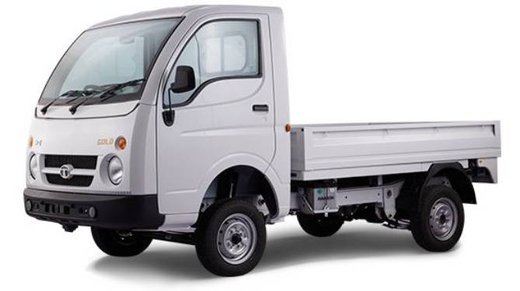
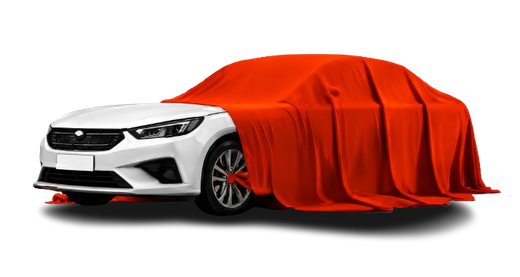






Get your vehicle thoroughly inspected before you take delivery. Our professional PDI services check every important detail, helping you identify defects, verify condition, and make a confident decision.
Commercial vehicles can develop body damage, scratches, dents, and paint defects during transportation and handling before delivery.
Engine, brakes, tyres, lights, battery, and electrical systems should be checked carefully before putting a commercial vehicle into operation.
A proper Commercial Vehicle PDI helps identify mechanical issues, tyre problems, missing equipment, and body defects before the vehicle starts commercial operations.
A new commercial vehicle is a major business investment, and even a small defect can affect safety, reliability, and vehicle uptime. During transportation from the manufacturer to the dealership, the vehicle may be driven, loaded, unloaded, stored outdoors, and handled multiple times.
Our goal is to help you inspect your commercial vehicle like an expert. With our standard Commercial Vehicle PDI checklist, you can check the engine, brakes, tyres, suspension, electrical systems, body condition, cabin, documents, and equipment before taking delivery and putting the vehicle into commercial use.
.png)
A Commercial Vehicle Pre-Delivery Inspection (PDI) is a systematic check of a new commercial vehicle conducted before the buyer takes delivery. It is the buyer's final opportunity to verify that the vehicle matches what was booked, is free from visible defects, and has all the required documents, equipment, and accessories in order.
The Commercial Vehicle PDI allows buyers to carefully inspect the vehicle before accepting delivery. Checking the engine, brakes, tyres, suspension, electrical systems, body, cabin, and vehicle equipment before delivery gives the buyer an opportunity to have any identified issues addressed by the dealership.
A properly conducted Commercial Vehicle PDI typically covers seven areas: documents and paperwork, body and paint condition, lights and electricals, tyres and wheels, engine and mechanical systems, cabin and equipment, and a test drive. Done thoroughly, it can help identify potential issues before you take delivery and put the vehicle into commercial operation.
Did you know? Dealers also conduct a Commercial Vehicle PDI, but an independent inspection gives you an additional check for mechanical, electrical, body, tyre, documentation, and equipment-related issues before delivery.
Commercial vehicles in India travel significant distances by road and rail from the manufacturing plant to the dealership. During transit, body damage, paint defects, minor dents, tyre issues, battery problems, and mechanical concerns can occur and may be found during Commercial Vehicle PDIs. These are issues the dealer should address before delivery. After delivery, getting them fixed may become your expense.
Beyond physical defects, buyers may also find additional charges on the invoice that are either unnecessary or avoidable, such as handling, logistics, accessories, or optional dealer-added services. Reviewing these charges carefully can help you avoid unnecessary costs and ensure that you pay only for the equipment and services you actually agreed to purchase.
A Commercial Vehicle PDI helps address these concerns – it catches physical and mechanical issues before delivery, while the inspection process helps you review your invoice, verify the vehicle specifications, check required equipment and documents, and know what to discuss with the dealer before putting the vehicle into commercial operation.
A comprehensive Commercial Vehicle PDI checks seven key areas of your vehicle. Each one has specific things to look for and actions to take if something needs attention.
Invoice and vehicle specification match, VIN/chassis number, manufacturing date, registration documents, warranty details, insurance, permits, spare keys, toolkit, and required vehicle documents.
Paint quality, scratches, dents, panel alignment, cabin and body panels, windshield condition, mirrors, doors, locks, cargo body, chassis, underbody, and signs of transit damage.
Headlights, tail lights, indicators, hazard lights, dashboard warning lights, horn, battery, wiring, instrument cluster, switches, reverse lights, and other electrical functions.
Tyre manufacture date, tyre brand and size, tread condition, sidewall damage, tyre pressure, wheel and rim condition, wheel nuts, suspension components, and spare wheel.
Engine start-up, engine noise, oil and coolant levels, fluid leaks, battery condition, clutch, gearbox, brakes, steering, suspension, exhaust, cooling system, and mechanical components.
Driver seat, cabin condition, seat belts, mirrors, windows, AC and ventilation, infotainment, dashboard controls, storage areas, tool kit, jack, fire extinguisher, and supplied equipment.
Engine performance, clutch and gear shifts, braking response, steering control, suspension behaviour, acceleration, unusual sounds, vibration, reverse operation, and overall road performance.
Based on Commercial Vehicle PDI inspections, these are some of the common issues that buyers should check carefully before taking delivery of a new commercial vehicle:
Check the engine compartment and visible components for oil, coolant, brake fluid, or other leaks. Unusual engine noise, smoke, or fluid loss should be investigated before delivery.
Commercial vehicles can experience damage during transportation or yard handling. Inspect the chassis, cabin, body panels, load body, doors, bumpers, and visible underbody areas for dents, scratches, cracks, or alignment issues.
Check the tyre manufacture date, tread condition, sidewalls, tyre pressure, wheel rims, and wheel nuts. Make sure all tyres match the specified size and specification of the vehicle.
Check brake response, steering operation, suspension components, and unusual sounds or vibrations. Any abnormal behaviour during the test drive should be reported before accepting delivery.
Check for all promised equipment and accessories, including toolkit, jack, wheel spanner, spare wheel or puncture equipment, safety equipment, keys, documents, and any vehicle-specific equipment included with the purchase.
A new commercial vehicle may show some kilometres due to transportation, testing, and movement between locations. Check the odometer reading and ask the dealer to explain any unusually high reading before delivery.
You do not need specialist mechanical knowledge to conduct a thorough Commercial Vehicle PDI. You need a systematic approach, the right checklist, and enough time to carefully inspect the vehicle before accepting delivery.
Review your invoice, booking details, vehicle variant, engine specifications, chassis details, load body or vehicle configuration, included equipment, and accessories. Keep your Commercial Vehicle PDI checklist ready and know what needs to be verified before delivery.
Before completing any paperwork, let the dealer know that you will inspect the commercial vehicle carefully before accepting delivery. Ask for sufficient time to check the vehicle, documents, equipment, accessories, and safety-related components.
Move the vehicle into natural light and inspect the exterior carefully. Check for scratches, dents, paint inconsistencies, panel gaps, bumper alignment, glass damage, body condition, and signs of transit or storage damage. For trucks and other commercial vehicles, also inspect the load body, cabin, chassis, and visible underbody components.
Check the engine start-up, unusual noises, fluid levels, leaks, battery condition, tyres, wheels, brakes, steering, suspension, lights, indicators, warning lights, horn, mirrors, seat belts, and other important safety features. Verify that the vehicle operates normally before proceeding with delivery.
Complete all inspection checkpoints and record any defects with photos. Check the vehicle documents, chassis and engine numbers, equipment, accessories, and promised specifications. Review the findings with the dealer and make sure identified issues are addressed before accepting delivery and putting the vehicle into commercial operation.
As a commercial vehicle buyer, you have important rights during the delivery process. Here are the key things to know before accepting your commercial vehicle:
You should be given an opportunity to inspect your commercial vehicle before completing the delivery process. Check the exterior, engine, chassis, tyres, brakes, suspension, electrical systems, documents, and equipment before accepting the vehicle.
Your commercial vehicle should match the variant, engine specification, chassis details, vehicle configuration, load body, colour, capacity, features, equipment, and other details agreed at the time of booking. Raise any mismatch with the dealer before accepting delivery.
Review your commercial vehicle invoice carefully and ask the dealer to explain any handling, logistics, accessories, insurance, body-building, or other additional charges before making the final payment.
Make sure you receive the required vehicle documents, warranty documents, both key sets, toolkit, spare wheel or puncture equipment, jack, wheel spanner, safety equipment, and other accessories or equipment included with your commercial vehicle.
If a genuine issue is not resolved by the dealer, you can escalate the complaint through the manufacturer's customer care or appropriate consumer grievance channels with your booking, chassis, and vehicle details.
Stay informed with expert pre-delivery inspection advice, vehicle buying checklists, and essential automotive maintenance tips.
Based on 200+ Reviews

Detailed inspection with 140+ points

Trained & experienced professionals
Detailed digital report with images

Approx market value of your car

Dedicated support every step of the way








Choose your city
& fill details

Select date, time &
book inspection
Our expert will inspect
your car
Get transparent &
honest digital report
Commercial vehicles are revenue-generating assets that must operate flawlessly from day one. CheckMyCars provides professional commercial vehicle inspection, commercial vehicle pdi, truck inspection, truck pdi, pickup truck inspection, cargo vehicle inspection, lcv pdi, and hcv pdi across India.
Searching for commercial vehicle inspection near me or corporate fleet PDI? Our engineers audit chassis frame alignment, pneumatic braking pressure, multi-leaf spring suspension integrity, diesel exhaust emissions, and multi-axle driveline load capacity before delivery.
Find and select your city to get started